
Tile Trends
Clearance Tile, Outlet Prices, National Delivery
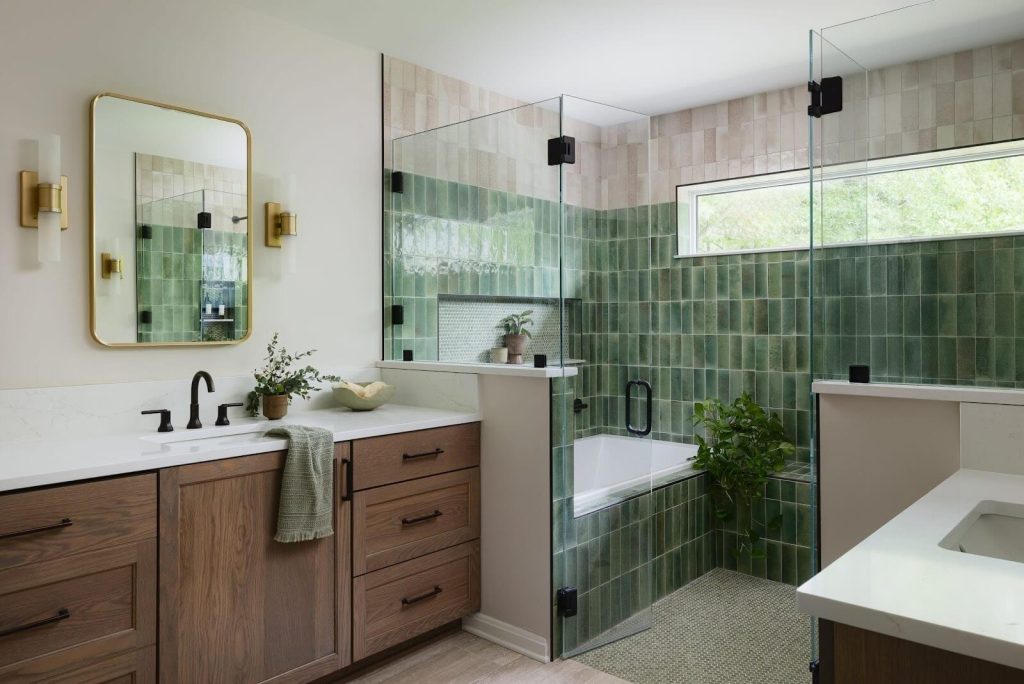
Tile Trends: Where Design, Durability, and Lifestyle Meet
Tile has evolved far beyond a purely functional surface. Today, tile plays a central role in defining how spaces look, feel, and perform over time. From flooring and walls to backsplashes, patios, and feature installations, tile trends are being shaped by design preferences, technology advancements, sustainability goals, and lifestyle changes.
At Daltile Outlet, we closely follow these shifts to help homeowners, contractors, and designers make informed decisions. Many of the tile styles trending today are manufactured by leading U.S. producers such as Daltile, often becoming available through surplus, discontinued, or overstock channels—making trend-forward design more accessible.
This guide breaks down current tile trends, why they matter, and how to choose styles that won’t feel dated in just a few years.
Trend #1: Large Format Tile for Seamless Design
Large format tile continues to dominate both residential and commercial spaces.
Why It’s Trending
- Fewer grout lines create a cleaner, more expansive look
- Makes small rooms feel larger
- Works well with modern and minimalist design styles
Where It’s Being Used
- Open-concept floors
- Bathrooms and showers
- Feature walls and fireplace surrounds
- Commercial lobbies and retail spaces
Design Tip:
Neutral-toned large format porcelain tile offers longevity and flexibility, allowing décor and finishes to change without replacing floors.
Trend #2: Natural Stone Looks (Without the Maintenance)
While real stone remains popular, stone-look porcelain tile has surged in demand.
Popular Stone Looks
- Marble-inspired veining
- Limestone and travertine textures
- Concrete and slate aesthetics
Why Designers Love It
- Visual authenticity without sealing requirements
- Improved stain and scratch resistance
- Consistent color and sizing
Many of today’s most realistic stone-look tiles are created using advanced digital printing and texture mapping technology.
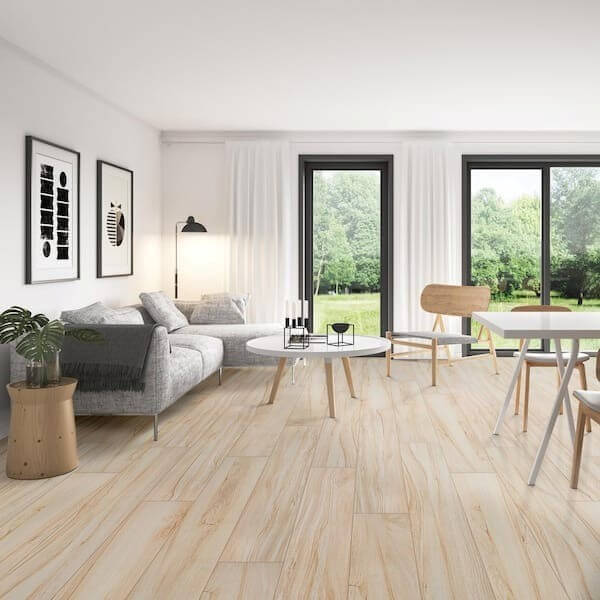
Trend #3: Wood-Look Tile Continues to Evolve
Wood-look tile is no longer a trend—it’s a staple.
What’s New
- Longer plank formats
- Matte and textured finishes
- Wider color ranges, from light oak to deep walnut
Why It Works
- Warmth of wood with tile durability
- Ideal for kitchens, bathrooms, and basements
- Compatible with radiant heating systems
Pro Tip:
Install wood-look tile in a herringbone or staggered pattern to elevate the design beyond a traditional plank layout.
Trend #4: Texture Takes Center Stage
Texture is replacing shine as the primary design feature in tile.
Common Textured Styles
- 3D wall tile
- Handcrafted or artisanal surfaces
- Natural cleft stone textures
Why Texture Matters
- Adds depth without overwhelming color
- Creates visual interest in neutral spaces
- Works especially well on walls and vertical surfaces
Textured tile is frequently used for accent walls, shower features, and fireplaces.
Trend #5: Patterned Tile with Purpose
Patterned tile has moved from bold novelty to strategic design element.
Popular Pattern Styles
- Encaustic-inspired designs
- Geometric motifs
- Subtle tone-on-tone patterns
Best Applications
- Entryways
- Powder rooms
- Kitchen backsplashes
- Accent flooring zones
Design Tip:
Use patterned tile in smaller areas to avoid visual overload while still making a statement.
Trend #6: Earthy, Nature-Inspired Color Palettes
Cool grays are giving way to warmer, more natural tones.
Trending Colors
- Sand and beige
- Clay and terracotta
- Soft taupes and greiges
- Charcoal and natural slate hues
These tones pair well with wood cabinetry, natural textiles, and organic finishes.
Trend #7: Matte & Low-Sheen Finishes
Glossy finishes are being replaced by matte and satin surfaces.
Why Matte Is In
- Reduces glare
- Hides wear and water spots better
- Feels more natural and modern
Matte finishes are especially popular for flooring, bathrooms, and large wall installations.
Trend #8: Indoor–Outdoor Tile Continuity
Homeowners increasingly want visual flow between indoor and outdoor spaces.
How This Is Achieved
- Matching interior and exterior tile collections
- Slip-resistant outdoor-rated finishes
- Consistent color palettes
This trend is particularly strong in warm climates and modern architectural designs.
Trend #9: Sustainable & Responsible Design
Sustainability is influencing tile selection more than ever.
What Buyers Are Looking For
- Long-lasting materials
- Reduced replacement cycles
- Efficient manufacturing processes
Tile’s durability already makes it one of the most sustainable flooring options available.
Trend #10: Statement Walls Over Statement Floors
Design focus is shifting upward.
Popular Wall Applications
- Full-height shower walls
- Fireplace surrounds
- Kitchen backsplashes extending to cabinets
This allows floors to remain timeless while walls deliver visual impact.
Choosing Trend-Forward Tile Without Chasing Fads
Not every trend is worth following blindly.
Smart Selection Tips
- Anchor large areas with neutral, timeless tile
- Use trends for accents and smaller spaces
- Prioritize durability over novelty
- Consider resale appeal
Tile trends should enhance a space—not lock it into a specific moment in time.
Frequently Asked Questions
How often do tile trends change?
Major shifts happen every 5–7 years, while colors and patterns evolve more frequently.
Are trendy tiles risky for resale?
Bold trends can limit appeal. Neutral bases with trendy accents are safer.
Is large format tile harder to install?
Yes, it requires precise surface preparation and experienced installers.
Do trends apply to commercial spaces too?
Absolutely—especially texture, durability, and indoor–outdoor continuity.
Can outlet tile still be trend-forward?
Yes. Many trend-driven styles become available through surplus and discontinued inventory.
Why Tile Trends Matter When Shopping an Outlet
Understanding trends helps buyers:
- Identify undervalued styles
- Avoid dated designs
- Maximize visual impact on a budget
Outlet inventory often reflects recent trends, not outdated products—making education a powerful buying tool.