
Technology
Clearance Tile, Outlet Prices, National Delivery
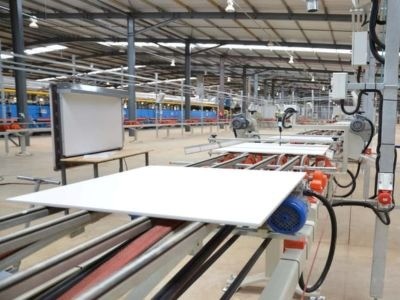
Tile Technology: The Science Behind Today’s Performance & Design
Tile may appear simple on the surface, but modern tile products are the result of decades of technological advancement in materials science, manufacturing precision, and performance testing. Today’s tile is stronger, more realistic, more sustainable, and more versatile than ever before.
Many of these innovations are driven by large-scale manufacturers such as Daltile, whose investments in research and development have reshaped what tile can do. These advancements eventually filter into surplus, discontinued, and overstock inventory—allowing outlet buyers to benefit from cutting-edge technology at a lower cost.
This guide breaks down how tile technology works, what innovations matter most, and how to evaluate tile beyond appearance alone.
The Evolution of Tile Manufacturing
Then: Traditional Clay & Glaze
Historically, tile was made from:
- Locally sourced clay
- Basic firing processes
- Simple surface glazing
While durable, early tile had limited design variety and inconsistent quality.
Now: Precision Engineering
Modern tile production combines:
- Refined raw materials
- Controlled firing environments
- Advanced surface technologies
- Automated quality control
The result is tile that performs better and looks more natural than ever.
Digital Printing Technology: The Game Changer
What Is Digital Inkjet Printing?
Digital inkjet printing allows manufacturers to:
- Apply high-resolution images directly to tile surfaces
- Replicate natural materials like marble, wood, and stone
- Produce subtle color variation between tiles
Unlike older methods, digital printing creates randomized patterns, preventing repetitive or artificial-looking installations.
Why Designers Love It
- Stone-look tile now rivals natural stone visually
- Wood-look tile captures grain, knots, and texture
- Consistency improves across large installations
This technology is a major reason porcelain tile has surged in popularity.
Surface Texture & 3D Technology
Wood-look tile is no longer a trend—it’s a staple.
Texture Mapping
Modern tile doesn’t just look real—it feels real.
Texture mapping aligns surface relief with printed visuals, meaning:
- Veins feel raised where they appear
- Wood grain follows printed patterns
- Stone textures match visual depth
This enhances realism while improving slip resistance.
3D & Sculpted Tile
Wall tile technology now includes:
- Raised geometric patterns
- Handcrafted-look surfaces
- Dimensional architectural designs
These tiles add depth without additional materials or framing.
Pro Tip:
Install wood-look tile in a herringbone or staggered pattern to elevate the design beyond a traditional plank layout.
Kiln Technology & Firing Precision
High-Temperature Kilns
Porcelain tile is fired at temperatures exceeding 2,200°F, resulting in:
- Dense, low-porosity material
- Increased strength
- Improved moisture resistance
Advanced kilns maintain precise temperature control, reducing warping and size variation.
Why This Matters for Large Format Tile
Large format tile requires:
- Uniform thickness
- Minimal warpage
- Tight dimensional tolerances
Without modern kiln technology, large format tile simply wouldn’t be possible at today’s quality levels.
Tile Strength & Durability Engineering
Material Density
Porcelain tile is engineered to:
- Absorb less than 0.5% water
- Resist cracking and chipping
- Perform in freeze-thaw conditions
Reinforcement Technologies
Some large tiles use
- Fiber reinforcement
- Optimized body composition
- Controlled cooling processes
These advancements allow tiles to span larger areas with fewer grout lines.
Design Tip:
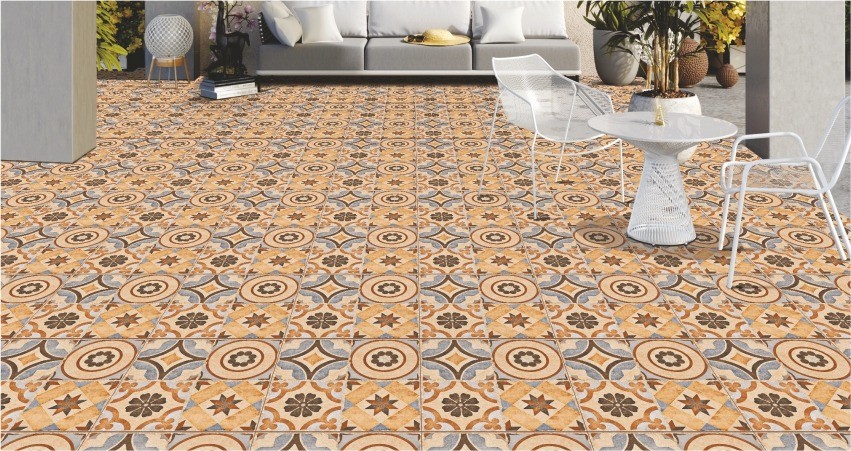
Use patterned tile in smaller areas to avoid visual overload while still making a statement.
Slip Resistance & Safety Technology
Coefficient of Friction (COF)
Modern tile is tested for:
- Wet and dry traction
- ADA compliance
- Commercial safety standards
Textured surfaces, micro-grip finishes, and mosaic formats improve traction in wet areas.
Where It Matters Most
- Bathrooms
- Showers
- Commercial kitchens
- Outdoor walkways
Slip-resistant technology has significantly expanded where tile can be safely used.
These tones pair well with wood cabinetry, natural textiles, and organic finishes.
Grout & Installation Technology
Advanced Mortars & Thinsets
Tile installation has evolved alongside tile itself.
Modern setting materials offer:
- Improved bond strength
- Flexibility for substrate movement
- Compatibility with large format tile
Grout Innovation
New grout technologies include:
- Stain-resistant formulas
- Mold and mildew resistance
- Color consistency
- Faster curing times
These advancements reduce maintenance and improve longevity.
Sustainable Tile Manufacturing Technology
Efficient Resource Use
Modern manufacturers focus on:
- Recycling water used in production
- Reusing raw material waste
- Energy-efficient kiln systems
Long Product Lifespan
Tile’s durability reduces:
- Replacement frequency
- Landfill waste
- Long-term environmental impact
This makes tile one of the most sustainable surface materials available.
Testing & Quality Control Technology
Before tile reaches the market, it undergoes rigorous testing.
Common Performance Tests
- Breaking strength
- Abrasion resistance
- Chemical resistance
- Thermal shock resistance
- Water absorption
Automated scanning systems detect:
- Surface defects
- Dimensional inconsistencies
- Structural weaknesses
This ensures consistent quality across production runs.
Technology’s Role in Outlet Tile Availability
Many technologically advanced tiles become available through outlets due to:
- Design refresh cycles
- Packaging changes
- Project overages
- Colorway discontinuations
While the style may rotate out, the technology remains current, allowing outlet buyers to benefit from innovation without premium pricing.
How Technology Impacts Tile Selection
When evaluating tile, technology affects:
- Longevity
- Maintenance requirements
- Safety
- Installation complexity
Understanding these factors helps buyers select tile that performs well beyond the showroom.
Common Tile Technology Myths
“All porcelain tile is the same.”
False. Body composition, firing process, and surface treatment vary widely.
“Printed tile looks fake.”
Outdated belief. Modern digital printing rivals natural materials visually.
“Textured tile is hard to clean.”
Modern textures are engineered to balance traction and cleanability.
Future Tile Technology Trends
What’s Coming Next
- Even larger tile formats
- Improved outdoor performance
- Enhanced slip-resistant finishes
- Increased use of recycled materials
Innovation continues to expand what tile can do across residential and commercial spaces.
Frequently Asked Questions
Does technology affect tile price?
Yes—but outlet inventory often includes advanced tile at reduced cost.
Is newer tile always better?
Not always, but modern manufacturing improves consistency and performance.
Does tile technology matter for DIY projects?
Absolutely. Installation materials and tile size impact difficulty.
Are stone-look tiles as durable as stone?
Often more durable, with fewer maintenance requirements.
Can outlet tile still be technologically advanced?
Yes. Many outlet tiles use the same technology as current collections.
Why Understanding Tile Technology Matters
When buyers understand tile technology, they:
- Make more confident decisions
- Avoid performance issues
- Choose materials that last
- Get better value for their budget
Technology bridges the gap between design and durability, ensuring tile performs as well as it looks.