
How to Find the Right Tile
Clearance Tile, Outlet Prices, National Delivery
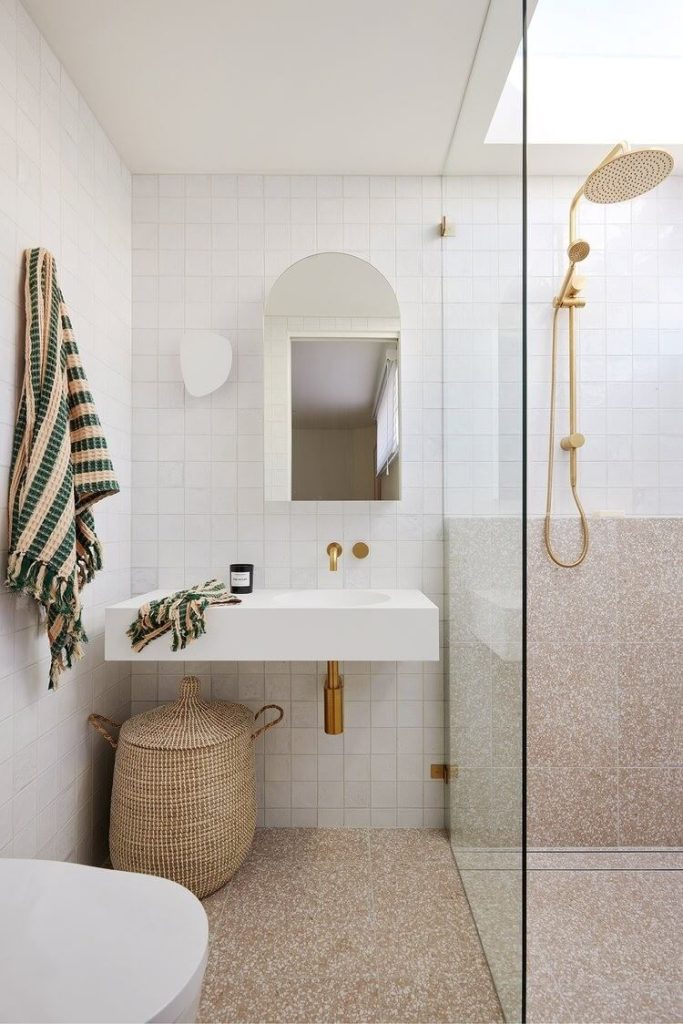
Choosing the Right Tile: More Than Just Looks
Tile selection can feel overwhelming. With countless materials, sizes, finishes, and design styles available, many homeowners and contractors struggle to balance aesthetics, durability, budget, and long-term performance. The right tile isn’t just about what looks good today—it’s about choosing a surface that performs well for years to come.
At Daltile Outlet, we help customers make informed decisions by combining product knowledge with real-world application experience. Many tile options on the market—especially porcelain, ceramic, and stone-look designs—are manufactured by leading producers such as Daltile, and frequently become available through surplus and discontinued inventory channels.
This guide walks you step-by-step through how to find the right tile based on function, style, budget, and lifestyle needs.
Step 1: Start with the Space, Not the Style
The most common mistake buyers make is choosing tile based solely on appearance. Instead, begin by identifying where the tile will be installed.
Key Questions to Ask
- Is this a floor or wall application?
- Will the tile be exposed to water or moisture?
- How much foot traffic will it receive?
- Is it an indoor or outdoor space?
The answers narrow your options before design even enters the conversation.
Step 2: Understand Tile Material Options
Different tile materials perform differently. Knowing the strengths and limitations of each helps prevent costly mistakes.
Porcelain Tile
Best for:
- Smooth, matte surface
- Pores are filled for a uniform appearance
- Popular for interior floors and walls
- Easier to clean and maintain
Why choose it:
Porcelain is dense, water-resistant, and extremely durable. It’s one of the most versatile tile materials available.
Ceramic Tile
Best for:
- Walls
- Backsplashes
- Light-traffic floors
Why choose it:
Ceramic offers excellent design variety at a lower cost, making it ideal for decorative applications.
Natural Stone Tile
Includes:
- Granite
- Marble
- Limestone
- Slate
- Travertine
Best for:
- Feature areas
- Luxury spaces
- Natural, organic design styles
Consideration:
Natural stone requires sealing and more maintenance but offers unmatched authenticity.
Mosaic Tile
Best for:
- Backsplashes
- Shower floors
- Accent walls
Why choose it:
Mosaics provide flexibility, slip resistance, and visual detail in smaller spaces.
Step 3: Match Tile to Room Function
Choosing Tile for Kitchens
Kitchen tile must handle:
- Spills and stains
- Foot traffic
- Heat
Porcelain floor tile, ceramic backsplashes, and stone-look porcelain.
Choosing Tile for Bathrooms
Bathrooms require:
- Moisture resistance
- Slip resistance
- Easy cleaning
Best options:
Porcelain tile, mosaic shower floors, textured finishes.
Choosing Tile for Living Areas
Living spaces benefit from:
- Durability
- Visual warmth
- Cohesive design
Best options:
Large-format porcelain, wood-look tile, honed stone finishes.
Choosing Tile for Outdoor Spaces
Outdoor tile must withstand:
- Temperature changes
- Moisture
- UV exposure
Best options:
Outdoor-rated porcelain, slate, textured stone.
Step 4: Understand Tile Ratings & Performance
PEI Rating (Wear Resistance)
- PEI I–II: Walls, low traffic
- PEI III: Residential floors
- PEI IV–V: Commercial and high traffic
Slip Resistance
Look for:
- Textured finishes
- Mosaic formats for wet areas
Water Absorption
Lower absorption = better moisture resistance
Porcelain tile typically performs best here.
Step 5: Tile Size, Shape & Layout Matter
Tile size affects how a room feels.
Large Format Tile
- Fewer grout lines
- Makes rooms feel larger
- Modern, clean appearance
Small Format Tile
- Better for slopes and curves
- Adds texture and detail
Popular Shapes
- Rectangle
- Hexagon
- Subway
- Chevron and herringbone
Tip:
Tile layout can dramatically change the look of a space—even with the same tile.
Step 6: Choose the Right Finish
Finish impacts both appearance and performance.
Polished
- Reflective
- Highlights color and veining
- More slippery when wet
Honed / Matte
- Low sheen
- Hides wear better
- Preferred for floors
Textured
- Adds traction
- Ideal for wet or outdoor areas
Step 7: Grout Is Part of the Design
Grout isn’t just functional—it’s visual.
Grout Color Tips
- Matching grout = seamless look
- Contrasting grout = highlights pattern
- Mid-tone grout hides dirt best
Grout Width
- Narrow joints = modern appearance
- Wider joints = rustic or traditional feel
Step 8: Budget Smart Without Sacrificing Quality
Tile pricing varies widely, but higher cost doesn’t always mean better performance.
Smart Budget Strategies
- Use premium tile in focal areas
- Choose neutral tile for large surfaces
- Take advantage of outlet and surplus inventory
Outlet tile often offers the same material quality at a lower cost due to discontinued lines or overstock.
Trend #9: Sustainable & Responsible Design
Industry best practice:
- Buy 10–15% extra for cuts, waste, and future repairs
Outlet inventory may not be available later, so planning ahead matters.
Step 10: Think Long-Term
Ask yourself:
- Will this tile still look good in 10 years?
- Is it easy to maintain?
- Does it suit potential resale buyers?
This allows floors to remain timeless while walls deliver visual impact.
Common Tile Buying Mistakes to Avoid
- Choosing wall tile for floors
- Ignoring slip resistance
- Buying exact square footage only
- Over-prioritizing trends
- Forgetting grout and trim pieces
Education prevents regret.
How Outlet Shopping Changes the Decision Process
When shopping an outlet:
- Inventory changes frequently
- Quantities may be limited
- Styles may be discontinued but still high quality
Understanding what to prioritize helps buyers act confidently and avoid missed opportunities.
Frequently Asked Questions
What’s the most versatile tile material?
Porcelain tile offers the best balance of durability, design, and maintenance.
Is natural stone worth the maintenance?
Yes, if you value authenticity and are willing to seal and care for it.
Should tile be lighter or darker?
Lighter tiles brighten spaces; darker tiles hide dirt but can show dust.
Can one tile work throughout the home?
Yes. Many modern homes use a single tile style with varied layouts.
Is outlet tile lower quality?
No. Outlet pricing reflects surplus or discontinued inventory—not reduced quality.
The Bottom Line: Confidence Comes from Knowledge
Finding the right tile isn’t about picking the “best” option—it’s about choosing the right material for the right application. With proper education, tile becomes a long-term investment rather than a design gamble.
Our goal with this resource is to empower buyers to make informed, confident decisions—whether they’re remodeling one room or outfitting an entire property.